Client
A high-profile rural estate in England comprising of hospitality venues, visitor attractions, agricultural operations, and on-site food production. The estate spans approximately 3,000 acres and includes multiple historic buildings, farmyard clusters, staff accommodation, warehousing, and public-facing venues. (Client anonymised.)
Objective
Alma Risks was engaged to complete a high-level physical security review to:
- Analyse the estate’s threat exposure and vulnerability profile
- Evaluate existing security measures (people, process, and technology)
- Identify gaps and dependencies (including culture and monitoring)
- Provide a prioritised set of recommendations aligned to the estate’s ethos and guest experience
- Consider emerging compliance expectations, including Martyn’s Law and food defence considerations for processing and storage facilities
Our Approach
A team of Alma security consultants conducted a two-day on-site assessment, supported by structured stakeholder engagement and review of available incident data.
Methods included:
- Stakeholder interviews across leadership and operational roles
- Extensive estate tour covering public-facing, operational, and remote areas
- Review of incident history and patterns
- Examination of deterrence posture, access control arrangements, CCTV deployment, guarding model, and key management
- High-level assessment of the impact of scale, geography, and development activity on the security model
- Context review of regulatory drivers relevant to visitor premises and food operations
Key Findings
Alma’s assessment identified six themes that shaped the estate’s risk picture:
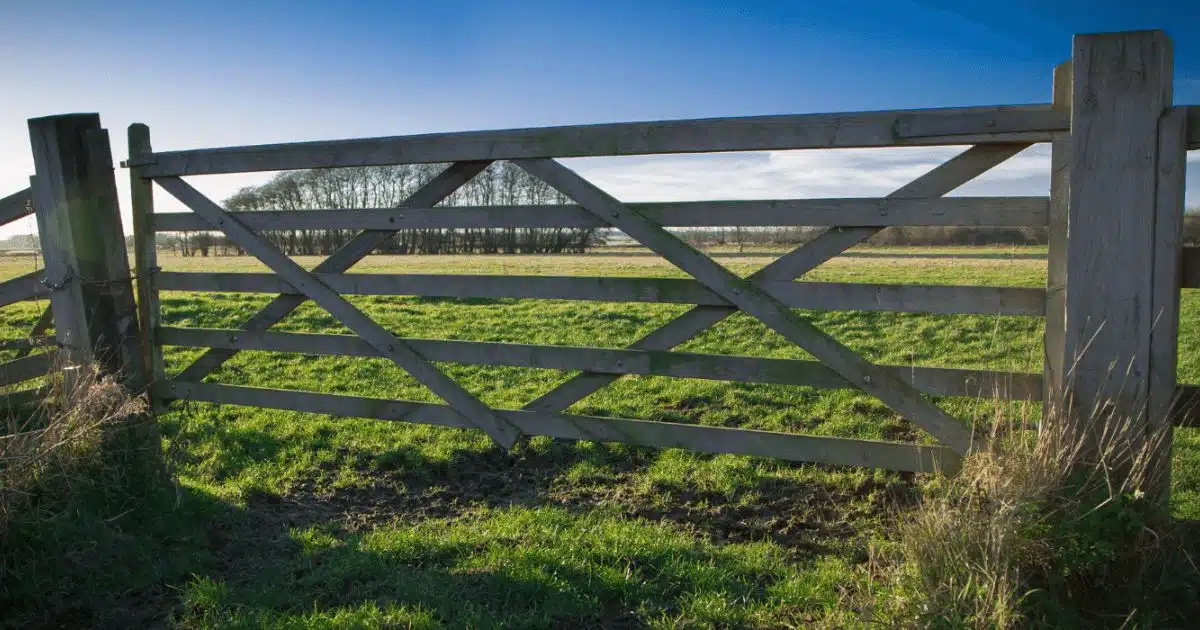
- Open access is inevitable in rural environments. Perimeter delineation and gate discipline provided a strong deterrent effect, but wide geographic spread and multiple access points increased the estate’s “attack surface”.
- Deterrence was strong but perishable. Visible security measures and disciplined practices had helped suppress criminal targeting. However, deterrence can degrade as local knowledge diffuses and opportunists test boundaries.
- Security culture was intentionally light-touch. The estate’s hospitality ethos prioritised openness and guest experience. This was appropriate, but it reduced consistency in challenge behaviour and reporting.
- Security evolved through replication, not integration. Security measures had scaled with growth, but central coordination and performance management (e.g., monitoring, alert handling, incident learning) lagged behind the estate’s complexity.
- Monitoring and alerting presented a material resilience gap. CCTV and alarms existed in parts of the estate, but there was limited centralised monitoring and an inconsistent out-of-hours escalation structure, creating avoidable exposure to both security and operational losses.
- Food production increased consequence and regulatory sensitivity. Food processing and storage introduced risks beyond theft—particularly disruption, contamination, and reputational impact—strengthening the case for formalised food defence principles and tighter access management.
Recommendations and Outcomes
Alma delivered a clear set of recommendations structured around practical implementation and proportionality.
Priority recommendations included:
- Define an Estate Security Strategy: formalise risk tolerance (including reputational tolerance), desired “look and feel”, and phased triggers for uplift
- Translate strategy into an Estate Security Plan: align people, technology, and process across divisions
- Refresh deterrence coherently through targeted, low-visibility measures and improved staff awareness
- Introduce a modest monitoring and control capability (exception-based) to manage CCTV, alarms, and operational alerts with a reliable out-of-hours cascade
- Strengthen security culture through role-specific inductions, simple reporting pathways, and practical guidance aligned to Martyn’s Law preparedness
- Integrate food defence into the wider security plan: access management, oversight of sensitive zones, and incident response protocols
Deliverables
- High-level security risk assessment report (threat context, findings, themes)
- Review of current mitigations (CCTV, access control, guarding, key management)
- Prioritised recommendations and implementation drivers
- Guidance on regulatory readiness (Martyn’s Law scoping and governance)
- Direction for developing a Security Strategy and an Operational Security Plan
Impact
The assessment gave estate leadership a clear, defensible basis to evolve security without undermining the guest experience—shifting from reliance on “legacy deterrence” to a strategy-led, phased security model supported by culture, coordinated technology, and reliable monitoring.
Reach out to our team with any questions about working with Alma, engaging in a consulting agreement, or using this website. We're here to support your understanding of our platform and services.

Get in touch