Urban vs Rural Security Risk: How Geography Shapes Threat Exposure, Response and Resilience
Prisoners of Geography? Urban and rural sites may share the same security goals, but they operate under very different realities. Cities typically experience higher incident volumes and benefit from faster response times, stronger infrastructure, and visible deterrence. Rural locations often experience fewer but more severe events, with longer response times, weaker connectivity, and greater reliance on unpredictability, layered controls, and resilience. This article explains how threat profiles, responses, technologies, workforces, and stakeholder networks vary across geographic contexts and why effective security is designed around outcomes rather than job titles.
Common Goals, Different Operational Realities
Most businesses share the same security objectives: protect people, assets, operational continuity, and reputation. However, the practical implementation of security varies significantly between rural and urban locations. Geography influences response times, visibility, infrastructure, workforce availability, police engagement, and even the psychology of criminals. Recognising these differences is key to moving beyond guarding and designing a genuinely effective security model.
Threat Profile
Urban environments typically experience a higher volume of incidents, including theft, burglary, robbery, anti-social behaviour, protest activity, and opportunistic intrusions. Criminals in these areas benefit from anonymity, high foot traffic, and quick escape routes.
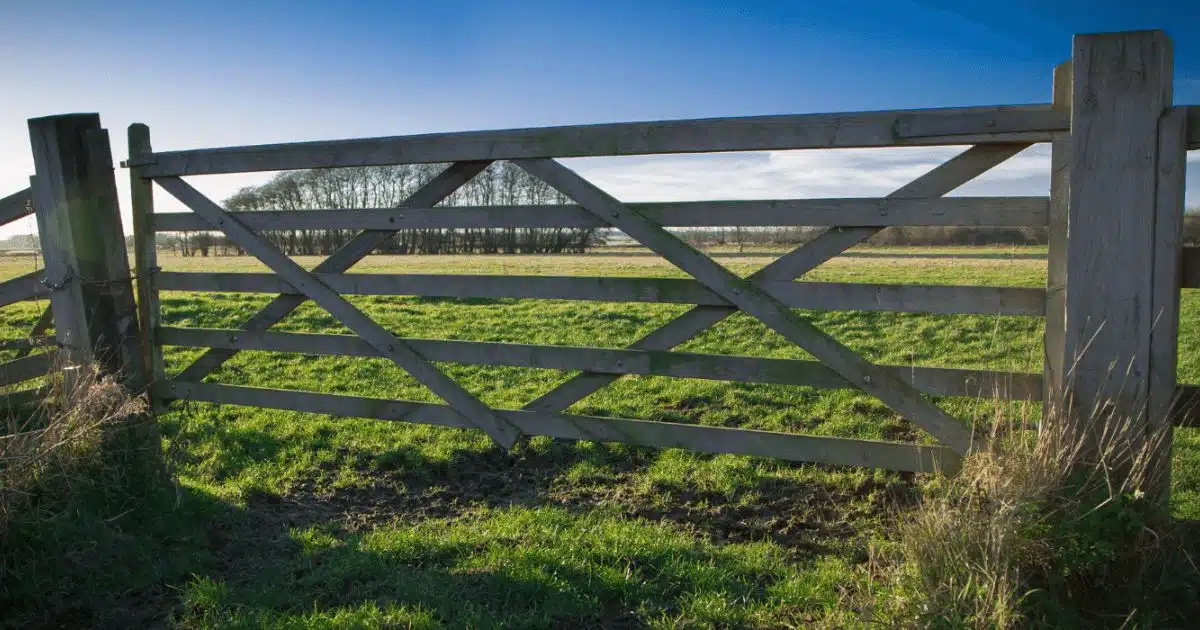
In contrast, rural environments may have fewer incidents overall, but they often involve higher-impact events such as fuel theft, machinery theft, fly-tipping, poaching, metal theft, and targeted burglary. Offenders in rural areas usually have more time to plan their actions and can operate without being disturbed.
The key difference is that urban crime often relies on speed and the ability to blend in with crowds, while rural crime typically depends on time, distance, and a lack of oversight.
Response
In towns and cities, security relies on nearby police resources, multiple guarding providers, rapid backup, and quick access for responders. In rural settings, response is limited by greater distances and stretched resources. Even a rapid response may take 30–60 minutes, and poor road access, weather, or terrain can further delay it.
This changes risk appetite. In rural security, early detection, delay, and self-contained resilience matter more than a fast response.
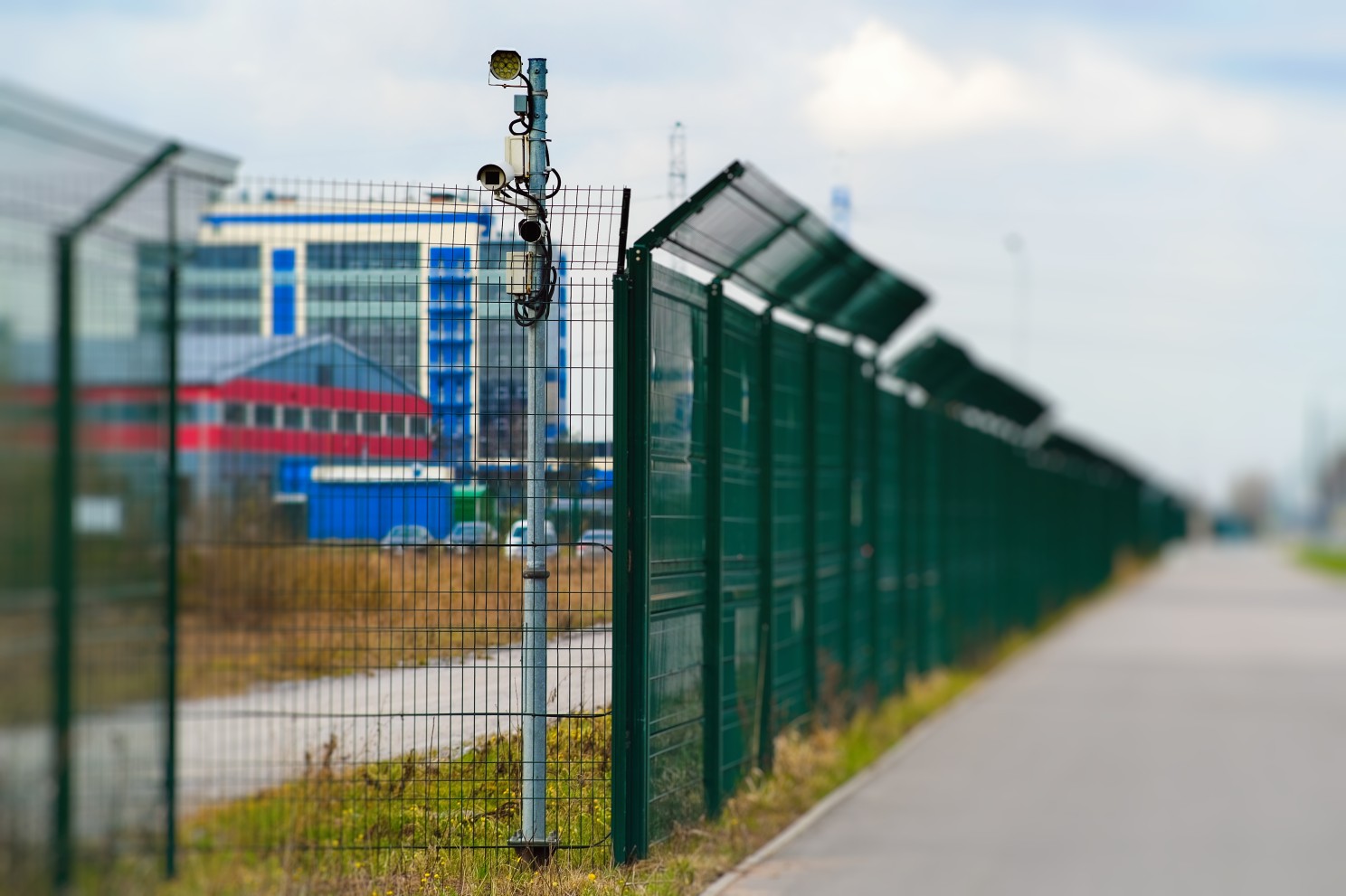
Perimeter length significantly impacts delivery of access control
Deterrence
Urban security often benefits from high visibility: uniforms, marked vehicles, public-facing CCTV signage, and concierge-style access control. Done well, it deters opportunistic behaviour and reassures staff and customers.
Rural deterrence is often different. Visibility can still help, but predictability can hurt. The adage “don’t set patterns” is particularly relevant. A single nightly patrol that visits set locations at the same time each day teaches offenders exactly when sites are unstaffed. Instead, rural sites often need unpredictable routines, layered perimeter measures, and remote monitoring that does not depend on a guard being physically present.
Technology and infrastructure
Urban sites generally have stable power, broadband, lighting, and reliable mobile coverage. This more easily supports high-bandwidth CCTV, analytics, access control integrations, and cloud-managed systems.
The reality on rural sites is very different, with weak mobile signal and limited broadband options being common. This is further compounded by dark perimeters and long boundaries, which are difficult to monitor even with the most advanced technology.
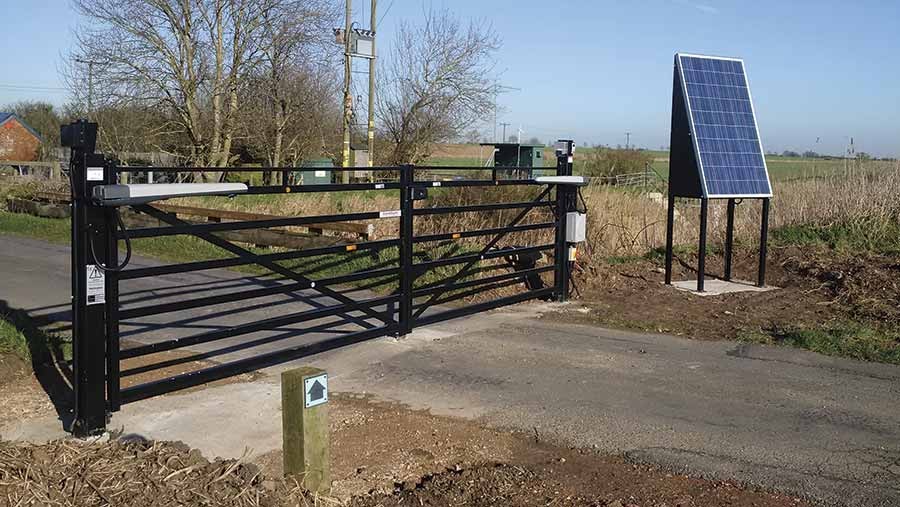
As a result, rural security often requires engineering solutions: monitored alarms with multiple communication paths, edge-recording CCTV, solar/battery resilience, Starlink-style connectivity where appropriate, and strong physical delay measures (gates, locks, ground anchors) so detection has time to turn into response and, where feasible, intervention.
Workforce
Urban areas tend to have larger pools of candidates for guard, supervisor, and control room operator positions. Rural locations, on the other hand, may struggle to recruit, retain, and rotate staff, and lone working becomes more common. This is often compounded by unsociable hours, particularly night shifts, where longer travel times, limited local accommodation, and fatigue build-up make coverage harder to sustain and increase the risk of gaps in rota resilience.
That means rural delivery often relies on smaller teams with broader skill sets, technology that reduces workforce dependency, clear lone-worker procedures, and stronger welfare and fatigue management (since cover is harder).
Other Stakeholders
In urban settings, stakeholder management can be complex: landlords, neighbours, local authorities, transport hubs, multiple police teams, and public events. Communications need structure, speed, and clear escalation routes.
Rural settings can be the opposite, with fewer formal stakeholders but greater reliance on informal networks (neighbouring farms, estates, local community, private landowners). Good rural security often includes community intelligence, trusted local reporting routes, and practical coordination with neighbouring sites.
Solar-powered gates offering improved resilience
Operations and procedures
Urban security frequently includes customer interaction, conflict management, queue control, and front-of-house professionalism. Rural security is more likely to focus on perimeter integrity, out-of-hours intrusions, safeguarding lone staff, and incident management where help is far away.
This should shape training, supervision, and selection. A high-performing security professional in a city retail environment is often experienced in public-facing engagement, conflict management, and fast-paced access control. Rural and industrial sites, by contrast, demand stronger competence in perimeter security, lone-working discipline, suspicious activity detection, and incident management when support is delayed. The requirement has a different operating profile and organisations achieve better outcomes when they recruit, train, and lead to that reality rather than assuming one model transfers seamlessly.
Conclusion
Urban security succeeds when it reduces opportunities through visible deterrence, manages people and access in real time, and coordinates rapid response and multi-agency engagement.
Rural security succeeds when it detects early and creates time (delay), operates resiliently when connectivity and response are limited, and uses unpredictability and layered controls to compensate for distance.
The temptation is to install the same security package everywhere: a guard, some cameras and the odd patrol. But geography shapes the threat, response, technology, and human factors. Rural and urban environments demand different operating models. The organisations that recognise this early will build security that is proportionate, resilient, and cost-effective, and avoid the common trap of spending money on activity rather than outcomes.
QUESTIONS? NEED SUPPORT?
Reach out to our team with any questions about working with Alma, engaging in a consulting agreement, or using this website. We're here to support your understanding of our platform and services.